How to manage seasonal delivery peaks with route optimization software


Prepare drafts for busy periods. Reuse regular lanes and compare services for each extra load.
Load dimensions, pickup dates, and receiving requirements
Prepare regular details
Templates for the lanes you ship again
- Prepare drafts for busy periods. Reuse regular lanes and compare services for each extra load.
- Load dimensions, pickup dates, and receiving requirements
- Templates for the lanes you ship again
- Keep common locations, freight profiles and shipment templates available before volume rises.
- Review packaged dimensions, weight, timing and receiving requirements for the actual shipment.
Keep common locations, freight profiles and shipment templates available before volume rises.

Confirm each extra load
Review packaged dimensions, weight, timing and receiving requirements for the actual shipment.
Find drafts and booked records in the workspace as you prepare and review the next move.
Prepare regular details
Pickup and delivery ZIPs, addresses and receiving contacts.
Pallets or handling units, commodity, packaged dimensions and weight.
- Find drafts and booked records in the workspace as you prepare and review the next move.
- Pickup and delivery ZIPs, addresses and receiving contacts.
- Pallets or handling units, commodity, packaged dimensions and weight.
- Pickup timing, dock access, liftgate needs and other handling requirements.
- Prepare drafts for busy periods. Reuse regular lanes and compare services for each extra load.
Pickup timing, dock access, liftgate needs and other handling requirements.
Confirm each extra load
Prepare drafts for busy periods. Reuse regular lanes and compare services for each extra load.
Load dimensions, pickup dates, and receiving requirements
- Load dimensions, pickup dates, and receiving requirements
- Templates for the lanes you ship again
- Keep common locations, freight profiles and shipment templates available before volume rises.
- Review packaged dimensions, weight, timing and receiving requirements for the actual shipment.
Templates for the lanes you ship again
Keep the work organized
Keep common locations, freight profiles and shipment templates available before volume rises.
Review packaged dimensions, weight, timing and receiving requirements for the actual shipment.
- Find drafts and booked records in the workspace as you prepare and review the next move.
- Pickup and delivery ZIPs, addresses and receiving contacts.
- Pallets or handling units, commodity, packaged dimensions and weight.
- Pickup timing, dock access, liftgate needs and other handling requirements.
- Prepare drafts for busy periods. Reuse regular lanes and compare services for each extra load.
Find drafts and booked records in the workspace as you prepare and review the next move.
Before pickup
Pickup and delivery ZIPs, addresses and receiving contacts.
Pallets or handling units, commodity, packaged dimensions and weight.
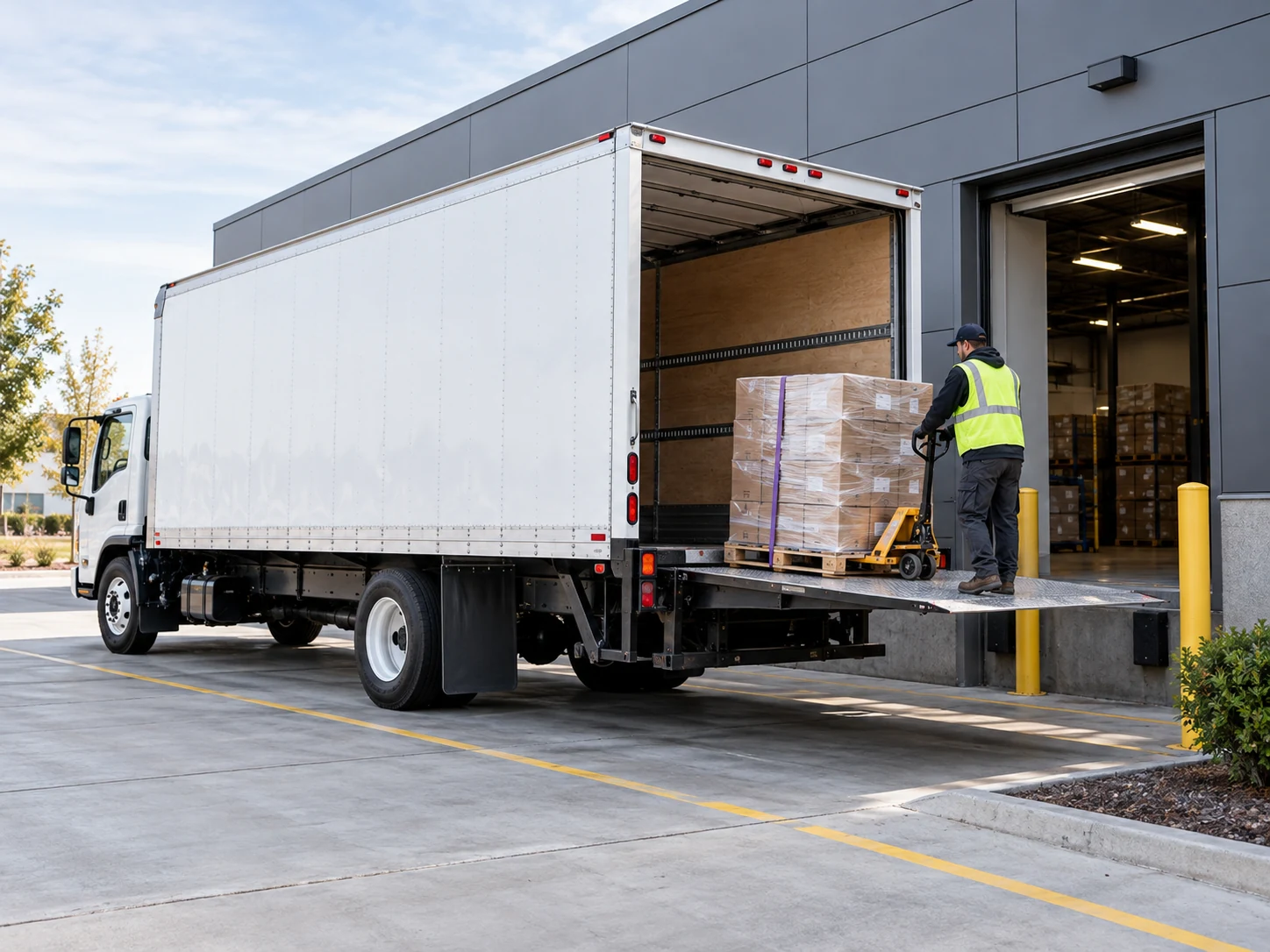
Pickup timing, dock access, liftgate needs and other handling requirements.
Keep the work organized
Prepare drafts for busy periods. Reuse regular lanes and compare services for each extra load.
- Load dimensions, pickup dates, and receiving requirements
- Templates for the lanes you ship again
- Keep common locations, freight profiles and shipment templates available before volume rises.
- Review packaged dimensions, weight, timing and receiving requirements for the actual shipment.
- Find drafts and booked records in the workspace as you prepare and review the next move.
- Pickup and delivery ZIPs, addresses and receiving contacts.
- Pallets or handling units, commodity, packaged dimensions and weight.
- Pickup timing, dock access, liftgate needs and other handling requirements.
Load dimensions, pickup dates, and receiving requirements
Before pickup
Templates for the lanes you ship again
- Prepare drafts for busy periods. Reuse regular lanes and compare services for each extra load.
- Load dimensions, pickup dates, and receiving requirements
- Templates for the lanes you ship again
- Keep common locations, freight profiles and shipment templates available before volume rises.
- Review packaged dimensions, weight, timing and receiving requirements for the actual shipment.
- Find drafts and booked records in the workspace as you prepare and review the next move.
- Pickup and delivery ZIPs, addresses and receiving contacts.
Keep common locations, freight profiles and shipment templates available before volume rises.
Compare the available options
Review packaged dimensions, weight, timing and receiving requirements for the actual shipment.
Find drafts and booked records in the workspace as you prepare and review the next move.
Pickup and delivery ZIPs, addresses and receiving contacts.