LTL or a full truck?
Choose the space your load needs, then compare the services available for your lane.
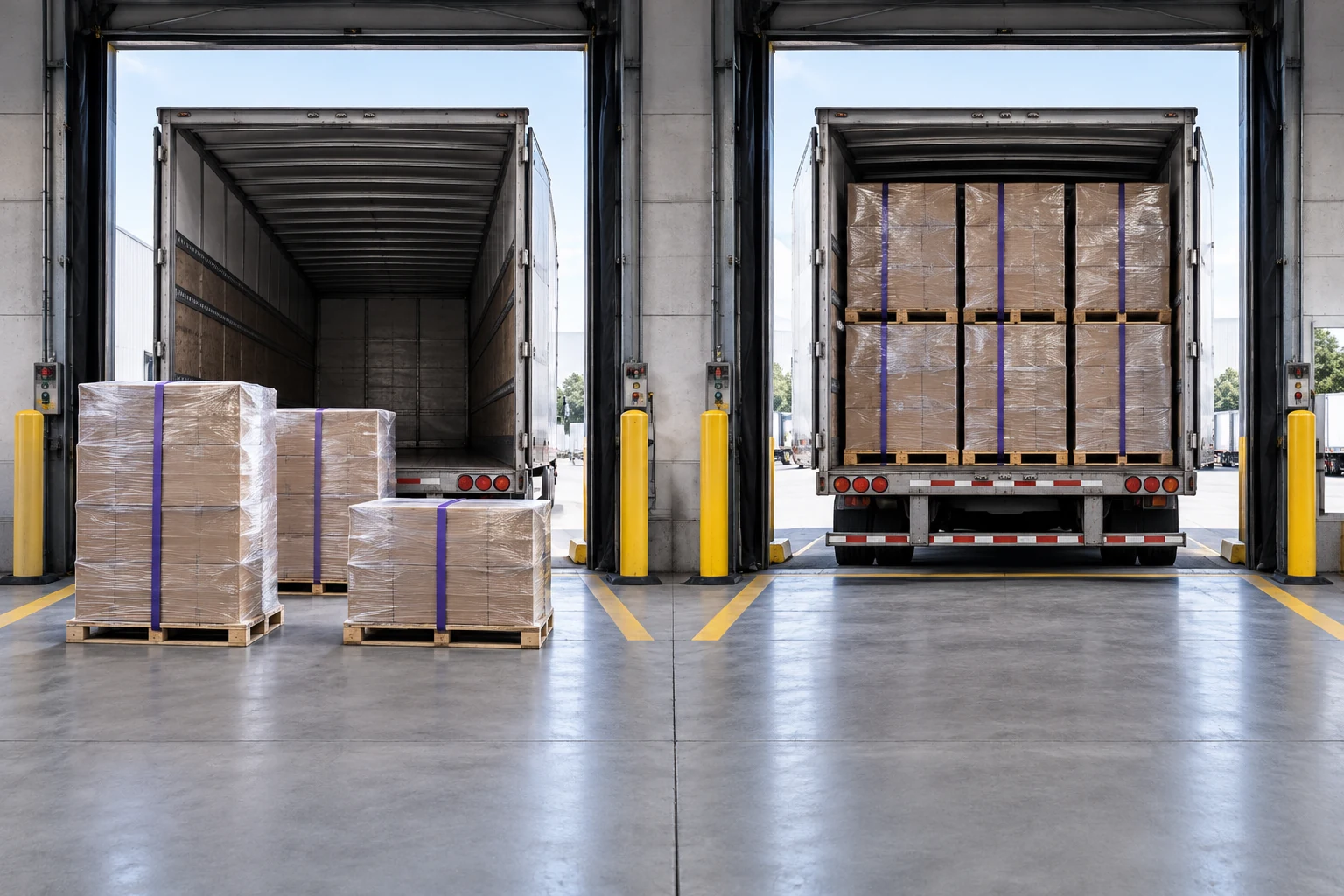
Have these details ready.
- Pallet count, packaged dimensions and total weight
- Pickup and delivery locations, timing and handling
- Commodity details and freight class for LTL
1.Start with the load
Write down the number of handling units, each unit’s packaged dimensions and weight, and the commodity you’re moving. Include the pallet and packaging in your measurements. These details give you a useful starting point for equipment selection. They also help you compare services for the same shipment instead of comparing different loads.
2.Compare shared and dedicated space
Less than truckload uses shared trailer space for smaller freight shipments. It can offer a lower transportation cost than reserving an entire truck, depending on your load and lane. Full truckload reserves dedicated trailer space for larger loads. Compare the actual price and service terms; there is no universal pallet count at which one becomes the better choice.
3.Account for access and handling
The equipment also needs to work at both stops. Confirm dock access, unloading arrangements and any handling requirements. For smaller business loads, you can also explore box truck and cargo van equipment in ShippClub. Available services depend on your lane, load, timing and equipment requirements.
4.Review a current quote
In ShippClub, start with your pickup and delivery details, choose equipment, and enter your timing and freight. Review eligible carrier options, disclosed fees and transit terms before booking. For LTL, confirm your commodity and freight class rather than guessing. Classification considers density, handling, stowability and liability. Saved details help prepare the next draft; each shipment still needs review and a current quote.
See Freight classification guidance for guidance.